Kids goalkeeper gloves are designed specifically for developing hands, learning technique, and safety. Young goalkeepers need gloves that balance comfort, durability, and protection rather than the ultra-soft latex used by professionals.
Because children train more frequently and are still building catching confidence, their gloves must:
- Provide extra durability for repeated use
- Offer basic grip that works in different weather conditions
- Include supportive wrist straps to prevent strain
- Fit securely without restricting movement
A poorly fitted glove can reduce confidence and even increase the risk of finger injuries.
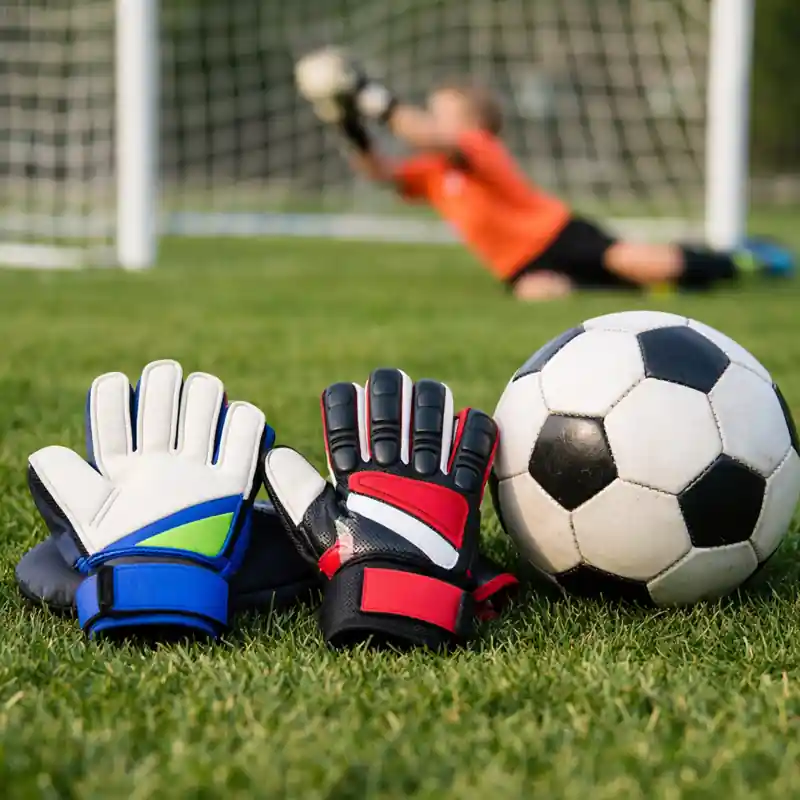
How to Choose the Right Kids Goalkeeper Gloves
Selecting the correct gloves is about fit first, features second.
1. Focus on Fit and Comfort
Gloves should feel snug but not tight. There must be:
- No empty space at the fingertips
- Enough flexibility to close the hand naturally
- A secure wrist closure for stability
Young players should be able to make a fist easily without resistance.
2. Prioritize Durability Over Maximum Grip
Professional-level latex wears out quickly. Kids need:
- Stronger, more durable palm materials
- Gloves that can handle training, school matches, and hard surfaces
Durability helps parents avoid replacing gloves too often.
3. Consider Finger Protection for Beginners
Some youth gloves include flexible finger spines that:
- Reduce hyperextension during saves
- Help beginners build safe catching habits
These are especially useful for ages 6–12 who are still learning technique.
What Size Goalkeeper Gloves Should Kids Wear?
Choosing the correct size is essential as it can help in performance and safety.
Simple Sizing Method
- First of all Measure it from the base bv of the palm to the tip of the middle finger.
- Round up to the nearest centimeter.
- Match that measurement to the glove size chart (usually Size 4–7 for kids).
General Youth Size Guide
| Age Range | Typical Size |
|---|---|
| 5–7 years | Size 4–5 |
| 8–10 years | Size 5–6 |
| 11–13 years | Size 6–7 |
Always prioritize measurement over age, as hand size varies.
Best Materials for Kids Goalkeeper Gloves
Not all glove materials suit young players. The ideal combination includes:
Synthetic Latex:
- More durable than match latex
- Good for regular training
- Lower maintenance
Soft Foam Palms:
- Provide reliable grip without wearing out quickly
- Work well in both dry and slightly wet conditions
Breathable Backhand Materials:
- Keep hands cool during long sessions
- Improve comfort for school and academy training
Training vs Match Gloves for Young Goalkeepers
Many parents assume one glove is enough. However, separating gloves by usage can extend lifespan.
| Type | Purpose | Key Benefit |
|---|---|---|
| Training Gloves | Daily practice | High durability |
| Match Gloves | Games only | Better grip |
| All-Round Gloves | Beginners | Balanced performance |
For new players, an all-round glove is usually the best starting point.
Popular Brands Making Reliable Kids Goalkeeper Gloves
Several established manufacturers produce strong youth models designed for development-level football.
- Adidas – Known for comfortable youth fits and durable training gloves.
- Nike – Offers lightweight junior gloves with flexible materials.
- Puma – Produces affordable options ideal for beginners and school football.
At youth level, brand matters less than fit and durability, but these companies provide consistent sizing and construction.
How to Wash Goalkeeper Gloves Properly
Keeping gloves clean improves grip and extends their life.
Step-by-Step Cleaning Method
- Rinse gloves in lukewarm water immediately after use.
- Gently rub the palms to remove dirt (no scrubbing).
- Use mild glove wash or diluted soap if needed.
- Air dry naturally
Washing maintains latex performance and prevents the palms from becoming hard.
How to Clean Goalkeeper Gloves After Muddy Matches
For heavily soiled gloves:
- Soak briefly in lukewarm water.
- Press dirt out gently using your hands.
- Avoid wringing the gloves, which damages stitching.
- Let them dry flat with palms facing upward.
Proper cleaning can double the usable life of youth gloves.
When Did Goalkeepers Start Wearing Gloves?
Goalkeepers did not always wear specialized gloves. Early football keepers played barehanded until the mid-20th century, when padded leather gloves began appearing to improve grip and protection.
Modern goalkeeper gloves evolved significantly in the 1970s–1990s with the introduction of latex palms, transforming handling ability and making gloves an essential part of goalkeeping equipment today.
What Are the Best Goalkeeper Gloves for Young Players?
The best youth gloves are not the most expensive ones. Instead, they should offer:
- Correct sizing
- Durable palms for training
- Comfortable wrist support
- Optional finger protection for beginners
A reliable mid-range glove is far more effective for development than elite match gloves designed for professionals.
How Long Do Kids Goalkeeper Gloves Last?
With regular use:
- Training gloves typically last 2–4 months
- Match-only gloves may last an entire season
- Proper washing and storage significantly extend lifespan
Youth goalkeepers wear gloves out faster because they train frequently on varied surfaces.
Final Thoughts
Kids goalkeeper gloves should support learning, safety, and confidence, not just performance. The right pair allows young players to focus on technique, handling, and positioning without worrying about discomfort or injury.
Parents and coaches should prioritize:
- Proper sizing
- Durable materials
- Easy maintenance
- Development-friendly features
Choosing correctly helps young goalkeepers build the foundation needed before transitioning to advanced match gloves later in their football journey.