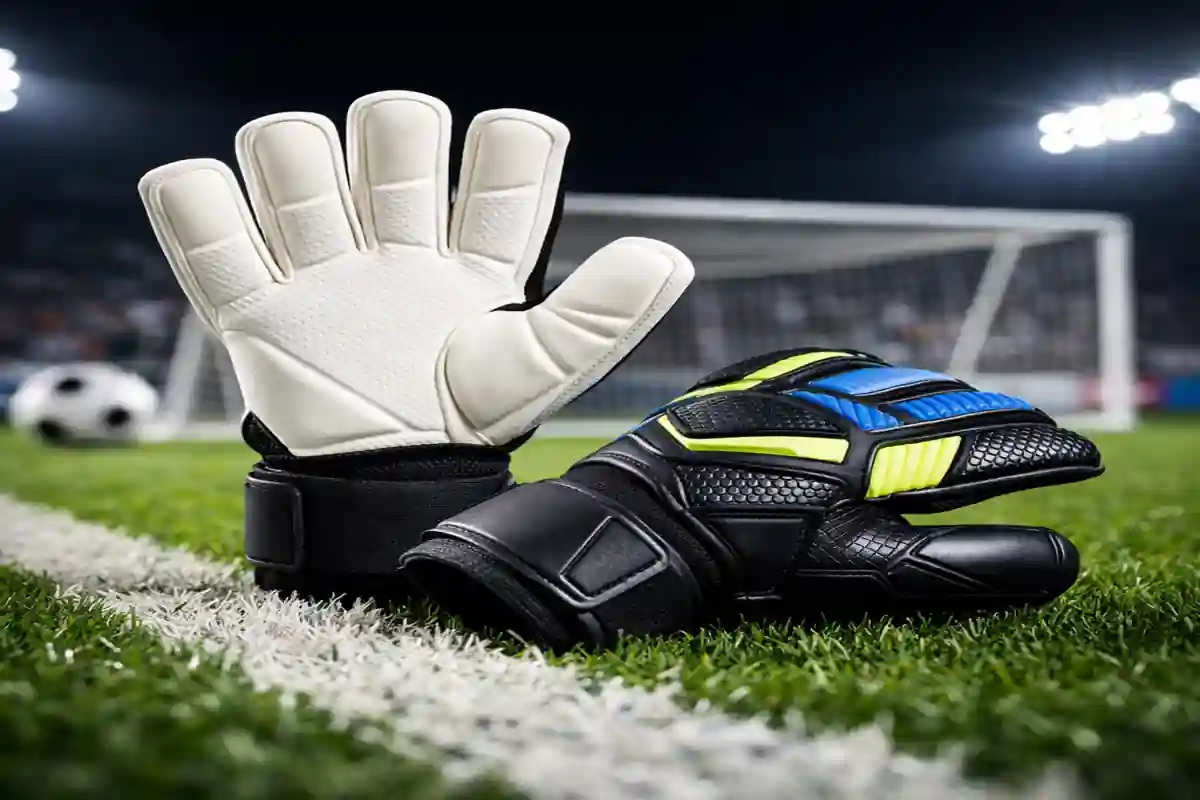
Goalkeeper gloves are one of the most important pieces of equipment for any player learning the position. The right goalkeeper gloves improve grip on the ball, protect the hands from impact, and build confidence when catching, diving, and parrying shots. For beginners especially, choosing the correct gloves can directly influence technique development, comfort, and long-term performance.
This guide explains everything you need to know about selecting goalkeeper gloves, understanding glove types, finding the right fit, and maintaining them properly so they last longer and perform consistently.
What Are Goalkeeper Gloves and Why They Matter
Goalkeeper gloves are designed with specialized latex palms and structured finger support to help goalkeepers handle the ball securely while absorbing the force of powerful shots. Unlike regular sports gloves, goalie gloves are engineered to balance grip, flexibility, and durability under repeated impact.
Quality goalkeeper gloves help with:
- Secure catching in wet and dry conditions
- Shock absorption when saving hard shots
- Better ball control during distribution
- Protection from finger and wrist injuries
- Confidence when diving or claiming crosses
Without proper gloves, beginners often struggle with handling and may develop poor habits such as punching instead of catching.
Key Features to Look for in Goalkeeper Gloves
Understanding glove construction is essential before buying. The best goalkeeper gloves are not always the most expensive — they are the ones suited to your playing environment and level.
| Feature | Function | Why It Matters |
|---|---|---|
| Latex Palm | Provides grip on the ball | Determines catching ability |
| Glove Cut | Shapes how gloves fit the hand | Affects control and comfort |
| Backhand Material | Absorbs shot impact | Adds protection |
| Wrist Closure | Stabilizes wrist | Prevents strain |
| Durability Zones | Reinforced areas | Extends glove lifespan |
| Breathability | Airflow inside glove | Improves comfort |
Each of these elements works together to create performance-focused goalkeeper gloves.
Understanding Goalkeeper Glove Grip (Latex Explained)
Grip is the defining characteristic of goalkeeper gloves. The palm is made from latex, a material designed to create friction with the ball.
Types of Latex Used in Goalie Gloves
Soft Match Latex
- Maximum grip for catching
- Wears down quickly
- Typically used for competitive matches
Balanced Latex
- Mix of grip and durability
- Ideal for beginners and regular training
- Most practical option for long-term use
Durable Training Latex
- Strong resistance to abrasion
- Less tacky but lasts longer
- Best for artificial turf or hard surfaces
For most developing players, balanced latex gloves offer the best combination of performance and value.
Goalkeeper Gloves Cut Guide: How Fit Affects Handling
The “cut” refers to how the glove is stitched and shaped around the fingers. This changes how much latex contacts the ball and how natural the glove feels.
| Cut Type | Characteristics | Best For |
|---|---|---|
| Flat Cut | Traditional, roomier fit | Comfort and airflow |
| Negative Cut | Tight, second-skin feel | Precision and control |
| Roll Finger | Latex wraps around fingers | Maximum grip surface |
| Hybrid Cut | Combination of styles | Modern balanced performance |
Negative and hybrid cuts are popular because they allow gloves to move naturally with the hand, improving catching technique.
Training Gloves vs Match Gloves: Why You Need Both
Many beginners make the mistake of using one pair of gloves for everything. This leads to rapid wear and reduced performance.
Training Gloves
- Built for durability
- Designed to handle frequent use
- Better for learning and repetition
Match Gloves
- Built for maximum grip
- Softer latex for better control
- Should be reserved for games
Separating usage extends the lifespan of both pairs and ensures consistent grip during competition.
Choosing Goalkeeper Gloves Based on Playing Surface
Your playing surface has a major effect on glove performance and durability.
Artificial Turf
Turf is abrasive and wears down soft latex quickly. Durable goalkeeper gloves with reinforced palms are recommended.
Natural Grass
Grass allows for softer latex gloves that provide stronger grip and feel.
Hard or Dusty Grounds
Hard surfaces require gloves with stronger materials and slightly thicker palms to resist damage.
Selecting gloves suited to your environment prevents unnecessary wear and improves value.
How to Choose the Right Size Goalkeeper Gloves
Proper sizing is essential for performance.
Signs of Correct Fit
- Fingers sit close to glove tips without pressure
- Palm stays fully connected to the latex surface
- No slipping inside the glove
- Wrist strap secures comfortably
- Hand closes naturally when catching
Well-fitted goalkeeper gloves act like an extension of the hand.
Finger Protection: Do You Need It?
Some gloves include finger support spines designed to prevent hyperextension injuries.
Benefits
- Added safety for beginners
- Reduces risk of finger jams
- Helpful during high-volume training
Drawbacks
- Slightly reduces flexibility
- May feel stiff initially
Finger protection can be useful for new players still developing hand strength and technique.
How Weather Affects Goalkeeper Gloves
Different weather conditions change how latex performs.
- Wet Weather: Certain gloves are designed to maintain grip when damp.
- Dry Heat: Latex can dry out faster and lose tackiness.
- Cold Conditions: Gloves may feel firmer but still perform effectively.
Understanding these factors helps maintain consistent handling performance year-round.
Proper Care and Maintenance of Goalkeeper Gloves
Maintaining goalkeeper gloves correctly is essential for preserving grip and extending lifespan.
Before First Use
Rinse gloves lightly to activate the latex and remove manufacturing residue.
After Every Session
- Wash with lukewarm water
- Remove dirt immediately
- Never use detergent or machine washing
Drying Process
- Air dry naturally
- Avoid sunlight or heaters
- Keep palms facing upward to maintain shape
Storage Tips
- Store in a breathable glove bag
- Do not leave gloves completely dry
- Avoid folding palms together tightly
Consistent care can double the usable life of your goalie gloves.
Why Goalkeeper Gloves Wear Out (And Why That’s Normal)
Latex is intentionally soft to create friction with the ball. That friction naturally causes wear.
Glove lifespan depends on:
- Frequency of training sessions
- Playing surface roughness
- Diving technique
- Maintenance habits
Even professional-quality goalkeeper gloves degrade quickly if used daily on rough pitches.
Common Mistakes When Buying Goalkeeper Gloves
Avoid these common errors:
Choosing gloves based only on appearance
Buying ultra-soft match gloves for daily training
Ignoring playing surface compatibility
Selecting the wrong size for comfort rather than performance
Failing to clean gloves after use
Making informed decisions leads to better performance and longer-lasting equipment. goalie gloves
How the Right Goalkeeper Gloves Improve Development
Reliable goalkeeper gloves allow players to focus on skill progression rather than discomfort or fear of impact.
They help develop:
- Proper catching technique
- Confidence in aerial challenges
- Controlled parrying and deflection
- Safe diving mechanics
- Consistent distribution handling
For beginners, the correct gloves are learning tools as much as protective gear.
Beginner Buying Checklist for Goalkeeper Gloves
When selecting your first serious pair look for:
✔ Balanced grip latex for mixed use
✔ Comfortable negative or hybrid cut
✔ Reinforced durability zones
✔ Secure wrist support
✔ Surface-appropriate construction
✔ Easy-to-maintain materials
This ensures your gloves support both training and match play without excessive replacement costs. goalie gloves
The Long-Term Role of Goalkeeper Gloves in Player Progression
As players improve, glove preferences often change. Beginners prioritize durability and comfort, while advanced goalkeepers seek enhanced grip and responsiveness. Understanding glove design early allows smoother transitions to higher-performance models later in development.
Investing time in choosing the right gloves builds confidence, protects the hands, and supports consistent improvement — all critical for mastering the goalkeeper position.
Conclusion
Goalkeeper gloves are more than accessories; they are performance equipment that directly affects handling, safety, and confidence. Choosing gloves based on grip quality, fit, durability, and playing surface ensures beginners can train effectively while developing proper technique.
By selecting the right gloves and maintaining them correctly, players gain a reliable foundation for growth, allowing them to focus on positioning, reactions, and decision-making — the skills that truly define successful goalkeeping.